
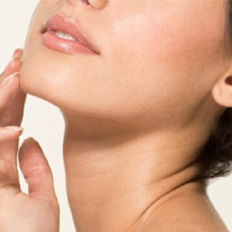
A square or wide jaw is usually a natural facial feature, not a medical problem. The width can come from the jawbone, large chewing muscles, fat, loose skin or a mix of these. The position of your jaws also affects how balanced your face looks.
Botulinum toxin can temporarily reduce the bulk of a large masseter muscle, but it cannot make the jawbone smaller. If the bone is the main cause, surgery is the only option that physically reduces its width.
What makes a jaw look square or wide?
Several structures shape the lower face, and more than one may be involved.
Jawbone shape
The mandible is your lower jaw. Its angle sits below and slightly in front of the ear. A broad, flared or low angle can make the lower face look square. The width and shape of this bone can run in families.
Enlarged masseter muscles
The masseters are strong chewing muscles on each side of the jaw. Naturally large masseters add width to the lower face. Clenching, grinding your teeth or other heavy use can also enlarge them in some people.
A large masseter is often easier to see when you clench your teeth, but clenching is not a reliable self-test. A doctor needs to assess the muscle together with the bone and the tissue around it.
Fat and soft tissue
Fat under the chin or around the lower face can make the jawline look fuller or less defined. Where fat sits depends on genetics, age and body composition. Losing weight may change how full your face looks, but it cannot make the jawbone smaller.
Loose skin
As skin and supporting tissue lose elasticity, the outline of the jaw can blur. This can make the lower face look heavy even though the bone underneath has not changed.
Bite and jaw position
The position of your upper and lower jaws affects both balance and function. An underbite, overbite, facial asymmetry or difficulty chewing may point to a jaw-position or dental problem, not just a cosmetic one.
How is the cause of a square jaw assessed?
You usually cannot tell the cause from a photo or by pressing on your jaw. Bone, muscle, fat and skin sit in layers, and more than one may contribute.
An assessment may cover:
- The shape and symmetry of your face at rest and when clenching
- The size and activity of your masseter muscles
- Your bite and the alignment of your teeth
- How far and how evenly your mouth opens
- Jaw-joint symptoms, clenching or grinding
- Your dental, orthodontic and medical history
Imaging may be recommended to check the bone, facial asymmetry, your bite or whether surgery is suitable. Photos can support a first conversation, but they cannot confirm the cause or show whether a treatment is right for you.
Which treatments can reduce the appearance of a square jaw?
| Main cause | Possible approach | Main limitation |
| Enlarged masseter muscle | Botulinum toxin type A | Temporary, and does not reduce bone width |
| Wide or flared jaw angle | Jaw reduction surgery | Bone surgery, with a recovery period and surgical risks |
| Bite or jaw-position problem | Orthodontic and maxillofacial assessment | Cosmetic jaw shaving may not fix the functional problem |
| Local fat under the chin or lower face | A suitable fat-reduction treatment | Does not change the bone or masseter muscles |
| Loose skin along the jawline | A suitable lifting or tightening treatment | Improves definition but does not narrow the bone |
| More than one cause | A carefully planned combination | Should follow a full assessment, not self-diagnosis |
Botulinum toxin for an enlarged masseter
Botulinum toxin type A, often searched as masseter Botox or square jaw Botox, temporarily weakens the treated muscle. Over the following weeks, a large masseter may lose some bulk, which softens the widest part of the lower face.
This only helps if the muscle is part of the width, and it cannot change the angle of the jawbone.
Before masseter treatment, you should know that:
- The improvement appears gradually, not straight away
- The effect is temporary, and how long it lasts differs between people and products
- You may need repeat treatment to keep the effect
- Temporary weakness when chewing, bruising or unevenness can occur
- The dose and injection points need to suit your anatomy
- Your provider should explain the product’s risks, contraindications and regulatory status before you consent
Your provider should also check for clenching, grinding, dental problems or jaw-joint problems, instead of treating the width on its own.
Jaw reduction surgery for bone width
Jaw reduction surgery reshapes parts of the mandible to narrow the lower face. It is also called mandibular angle reduction or jaw shaving.
Jaw reduction is not the same as V-line surgery. Jaw reduction may focus on the angle or body of the mandible. V-line surgery usually combines jawline reshaping with chin surgery for a narrower lower face. Clinics use these terms differently, so ask exactly which areas will be operated on.
At Kamol Hospital, jaw reduction is done under general anesthesia through an incision inside the mouth. It usually takes about one to two hours, depending on complexity, and CT imaging is used to plan it.
When a bite problem needs a different approach
Cosmetic jaw reduction reshapes the bone. It does not move the jaws to correct an underbite, overbite or other alignment problem.
If your facial shape comes with an abnormal bite, difficulty chewing, marked asymmetry or a jaw that sits noticeably forward or back, an assessment for corrective jaw surgery may be more suitable. You may also need orthodontic treatment, depending on the diagnosis.
What is recovery after jaw reduction surgery like?
Swelling, bruising and tightness when you open your mouth are expected after jaw reduction. Swelling goes down in stages, so you cannot judge the final contour straight away.
After jaw reduction with us, your care team will usually ask you to follow this schedule:
| Stage | What to do |
| First three days | Wear the compression bandage at all times |
| Early recovery | Keep your head raised and follow your mouth-care instructions |
| About 7 to 10 days | Many people return to work, though some swelling may remain |
| First two weeks | Avoid alcohol for at least this long |
| First month | Wear the compression bandage while you sleep and avoid strenuous activity |
| After about four weeks | You can usually return to exercise if you are healing well |
| Following months | Remaining swelling settles and the jawline becomes clearer |
Use the prescribed mouthwash, go to your follow-up appointments, and check with your care team before you restart any restricted activity.
What are the risks of jaw reduction surgery?
Jaw reduction needs careful planning around the teeth, nerves, muscles and blood vessels. Risks your surgeon may discuss include:
- Bleeding, infection, bruising and swelling that lasts
- Reactions or complications from anesthesia
- Numbness or changed sensation, temporary or lasting
- Injury to nearby nerves, blood vessels, teeth or tissue
- Difficulty or tightness when opening your mouth
- Asymmetry or an irregular contour
- An unwanted change in your bite
- Slow healing or the need for revision surgery
Every face has some natural asymmetry, and surgery cannot promise perfect symmetry.
When should postoperative symptoms be checked urgently?
Contact the hospital promptly if swelling, pain or other symptoms get worse instead of better, or if you have a fever, discharge, a bad taste, bleeding that does not stop or increasing difficulty opening your mouth.
Difficulty breathing or swallowing, rapidly increasing swelling in the face or neck, heavy bleeding, chest pain or shortness of breath may need emergency care.
What affects the cost of reducing a square jaw?
The main cost factors are:
- Whether the treatment targets muscle, bone, fat or loose skin
- Which areas of bone are reshaped, and whether chin surgery is included
- How complex and how long is the operation
- Hospital, anesthesia and follow-up needs
- Whether another facial procedure is done at the same time
Ask for a written quote that shows what is included: surgeon, anesthesiologist, hospital, operating room, compression garment and follow-up charges.
Discussing a square or wide jaw with Kamol Hospital
A wide jaw can come from bone, muscle or fat, and each one needs a different assessment. Contact our patient care team and they can advise which to start with.


