Busy lifestyles, convenience food high in starch, fat and sugar, fewer fruit and vegetables, and little time for exercise have all contributed to rising rates of obesity. Hormones produced in the gut (gut hormones), which regulate hunger, fullness and blood sugar, also play a role.
Obesity is a long-term medical condition, not a matter of willpower. It increases the risk of type 2 diabetes, high blood pressure, heart disease, high cholesterol, stroke, sleep apnea, joint problems and some cancers, and can shorten life expectancy. When diet, exercise and medication haven’t been enough, bariatric (metabolic) procedures can help achieve significant, lasting weight loss and improve these conditions.
Understanding BMI
Body mass index (BMI) is your weight in kilograms divided by your height in metres squared. It’s a simple way to estimate whether your weight puts your health at risk.
| Category | WHO (international) | Asian populations |
|---|---|---|
| Underweight | Under 18.5 | Under 18.5 |
| Healthy weight | 18.5–24.9 | 18.5–22.9 |
| Overweight | 25–29.9 | 23–24.9 |
| Obese | 30–39.9 | 25 and above |
| Severe obesity | 40 and above | — |
People of Asian descent tend to develop weight-related health problems at a lower BMI, which is why lower cut-offs are often used in Thailand and across Asia.
Treatment Options for Obesity
- Dietary modification and exercise
- Behavioral and Lifestyle changes
- Medical weight loss programs and medications
- Bariatric Surgery
The most appropriate treatment plan depends on an individual’s BMI, overall health, and Obesity-related medical conditions.
1. Diet plans and Exercise
The most effective and safest first-line treatment. Focus on protein, vegetables, fruit and vitamin-rich food while reducing starch, fat and sugar, combined with regular exercise — at least four sessions a week of no less than 30 minutes, including cardio such as running, cycling or swimming.
2. Medical Weight-Loss Treatment
For people with a BMI of 30 or above, or 27 or above with weight-related health conditions Weight loss medication should only be taken under a doctor’s supervision, alongside diet and exercise. See Weight Reduction Therapy.
3. Bariatric Surgery
Where medication has not brought BMI down and risk factors remain, surgery may be considered. It reduces the size of the stomach so patients feel full sooner, and it changes gut hormone levels in a way that reduces hunger — giving better appetite control than willpower alone.
Procedures We Offer at Kamol Hospital
1. Gastric Balloon
A fluid-filled balloon placed in the stomach to reduce its capacity, so patients eat less and stay full longer, prompting the body to draw on stored fat for energy. Suited to patients with a BMI of roughly 27–30, and frequently used for patients who need to lose weight before a major bariatric procedure in order to reduce surgical risk.
How it works
- The balloon is placed through the mouth endoscopically — no surgical incision
- Made of medical-grade silicone and filled with approximately 400–500 cc of fluid, adjustable to the size of the stomach
- Performed under light sedation with a numbing throat spray
- Stays in place for 6–12 months, then removed the same way it was inserted
Afterwards
- Mild nausea, vomiting, discomfort and stomach cramps are common in the first 2–5 days and usually settle quickly
- Normal eating and normal exercise generally resume around 3–4 weeks after placement
Advantages
- Lower risk and fewer side effects than other weight-loss procedures
- No surgical incision
- The balloon volume can be increased or decreased
- Can be repeated if weight is regained
Aftercare
- Drink no more than half a glass at a time, every 1–2 hours
- Take the prescribed ulcer-prevention medication
- Avoid NSAID painkillers and alcohol to reduce the risk of gastric ulcers
- See your doctor promptly if anything feels wrong
- When the balloon is removed, eating habits must have changed or weight will return
- Attend all follow-up appointments
How is the balloon inserted?

In the treatment room, your throat will be sprayed with a numbing spray. It tastes unpleasant but it is very effective and within a few seconds, your throat will feel numb. Although this is quite a strange feeling, it is harmless and will help you tolerate the gastroscopy tube (camera). If you have false teeth, you will need to remove them. You may also be able to have an injection to make you feel sleepy if you wish, but this will be discussed with you.
Once the nurse has made you comfortable on the trolley, a plastic mouth guard will be put between your teeth and gums to keep your mouth slightly open. Throughout the procedure your pulse, blood pressure, breathing, and oxygen levels will be monitored, and a small sponge may be placed into one nostril to provide you with a little oxygen. This is completely routine and there is nothing to worry about.
An endoscope will then be passed through your mouth and down into your stomach. This will not cause you any pain and will not interfere with your breathing. In order to have a clear view of your stomach, it may be necessary to put some air down the endoscope. This may give you the feeling of wanting to belch. Once the endoscope has been removed, the surgeon will pass the deflated balloon through your mouth and down into your stomach. The endoscope will be reintroduced to check that the balloon is in the right position before inflating it with liquid.
2. Adjustable Gastric Banding
An adjustable band is placed around the top of the stomach using keyhole surgery under general anesthesia. It creates a small pouch, so you eat less and feel full sooner. The operation takes about 30–60 minutes. The band can stay in place for 10 years or more and can be removed. Diet after banding is similar to that for a gastric balloon. It suits people with a BMI of about 30.
Possible side effects: widening of the esophagus, ulcers in the stomach or esophagus, infection, slipping of the band, and erosion of the band into the stomach.
3. Sleeve Gastrectomy
Sleeve gastrectomy is one of the most commonly performed weight loss procedures worldwide. It is the fastest-growing weight-loss surgery option in North America and Asia. In many cases, but not all, sleeve gastrectomy is as effective as gastric bypass surgery, including weight-independent benefits on glucose homeostasis. The precise mechanism(s) that produce these benefits is however not known. Approximately 70 – 80% of the stomach is removed, learning a smaller tube shaped stomach or “ Sleeve”. The smaller stomach limits the amount of food that can be consumed and may also help reduce hunger by affecting hormones involved in appetite regulation.
2 techniques
- Minimally invasive (laparoscopic) sleeve gastrectomy — the current standard
- Open sleeve gastrectomy — the older approach, which leaves a large scar and is no longer commonly used
The laparoscopic procedure takes 2–3 hours
- General anaesthesia administered by an anaesthesiologist
- The surgeon makes four small abdominal incisions, passes a laparoscope and instruments through them, removes part of the stomach through one of the incisions, and staples the remaining stomach into its new smaller shape
- The four incisions are closed
Advantages
- Very small incisions
- Shorter hospital stay than other bariatric procedures — 3–4 days
- Smaller stomach, less food required, earlier satiety
- Rapid weight loss
- No foreign object left inside or outside the stomach, unlike a balloon or a band
- Favourable change in gut hormone levels, reducing appetite
Considerations
- The removed portion of the stomach cannot be restored — the change is permanent
- Lifelong vitamin and mineral supplements are needed to prevent deficiencies, such as iron, calcium and vitamin B12
- Acid reflux may worsen in some patients
4. Gastric Bypass (Roux-en-Y)
The upper stomach is divided to create a small pouch about the size of an egg, which is connected directly to the small intestine. Food bypasses most of the stomach and the first part of the small intestine, so you eat much less and absorb fewer calories.
Advantages
- Very effective weight loss, typically 60–80% of excess weight within one to two years
- Improves type 2 diabetes, high blood pressure and sleep apnea
- Good long-term weight control
Limitations
- More complex than sleeve gastrectomy, with a longer operation and longer recovery
- Higher post-operative risk than a sleeve, including anastomotic leak, infection and bleeding
- Lasting impact on absorption of nutrients, vitamins and minerals — lifelong supplementation is required
- Nausea, vomiting or diarrhoea after eating can occur because food enters the small intestine rapidly (dumping syndrome)
- Food capacity is substantially reduced, so eating must be limited to what the body genuinely needs
Who Is a Good Candidate?
- BMI of 40 or higher, or
- BMI of 35 or higher with an obesity-related condition such as type 2 diabetes, high blood pressure or sleep apnoea
- Aged 65 or under
- Healthy enough for general anaesthesia
- Has tried and been unable to lose weight through diet, exercise and medication
- Committed to long-term self-management — diet, following medical and dietetic advice, and attending all follow-up appointments
Surgery is not the end of treatment. It is a tool that works alongside permanent behaviour change; without that change, weight can return even after surgery.
Preparation: Your Care Team
Before surgery, you’ll be supported by a team of specialists:
- Dietitian: explains how much to eat after surgery and how much weight to lose beforehand.
- Psychologist: helps manage stress before and after surgery.
- Obesity medicine physician: checks your health, manages related conditions, and may suggest medication to lose some weight before surgery.
- Bariatric surgeon: explains the pros and cons of each procedure so you can choose the right one.
You’ll also have a pre-procedure assessment, including your medical history, blood tests, an ECG and an X-ray.
After Surgery
- You may have a small drain to remove excess fluid and a urinary catheter for a short time.
- Avoid exercise and heavy lifting for at least 1 month.
- Stitches are removed after 7 days.
- Most people return to normal activities within 2–4 weeks.
- Take vitamins and minerals as prescribed.
- Start exercising once you feel better, with a program designed for patients after bariatric surgery.
- See the dietitian 1 month after surgery, and attend every follow-up appointment.
Diet After Sleeve Gastrectomy or Bypass
Move through each stage at your own pace. If you feel nauseous, it’s fine to go back to the previous stage.
- Days 1–7: Clear liquids. No fibre, no fizz and no sugar, such as unsweetened herbal drinks, clear soup and strained, unsweetened fruit juice.
- From week 1: Thicker liquids. High in protein, low in fat, no fibre and no sugar, such as thick soups, unsweetened or skimmed milk, unsweetened soy milk and plain yogurt.
- From week 2: Soft food. Easy to digest, such as steamed egg with minced pork, steamed fish, wonton soup, tofu soup, rice porridge with fish and congee with minced pork.
- From week 4: Regular textures. Well-cooked, high-protein food, soft vegetables and small amounts of peeled fruit, such as baked chicken or pork, fish steak, and mild minced-meat salads.
- From 1 month: most people can eat normally. Choose high-protein, low-fat, low-sugar food, chew slowly and thoroughly, and take supplements as advised.
Worth knowing: if food comes back up, it means you have eaten too much or too fast. Stop for 10–15 minutes, and eat less and more slowly next time.
Risks and Complications
Bariatric surgery
- Bleeding
- Infection
- Leak from the staple line or a join in the stomach or bowel
- Blood clots in the legs or lungs, pneumonia and urinary tract infection
- Nutritional deficiencies
- Further or revision surgery
- Risks from anesthesia
Complications are less likely in a hospital with an experienced team, including anesthesiologists skilled in caring for patients with obesity, the right equipment, and nurses trained to care for bariatric patients.
Gastric balloon
- Nausea, vomiting and stomach discomfort, common in the first days
- A feeling of heaviness, or abdominal or back pain
- Acid reflux and indigestion
- Bleeding or perforation during insertion or removal, which is rare
- Breathing or heart rhythm problems during sedation, which is rare
- Damage to crowns or bridgework (tell us if you have them)
- Balloon deflation and bowel blockage, which is very rare. Blue dye is added to the saline, so if the balloon leaks, your urine will turn blue-green. Contact the hospital right away if this happens.
Results
Weight loss is usually fastest in the first months, then slows, with weight stabilizing within 1–2 years. Obesity-related conditions such as diabetes, high blood pressure and snoring often improve, and some people can reduce or stop related medication. The risks of heart disease and some cancers also fall.
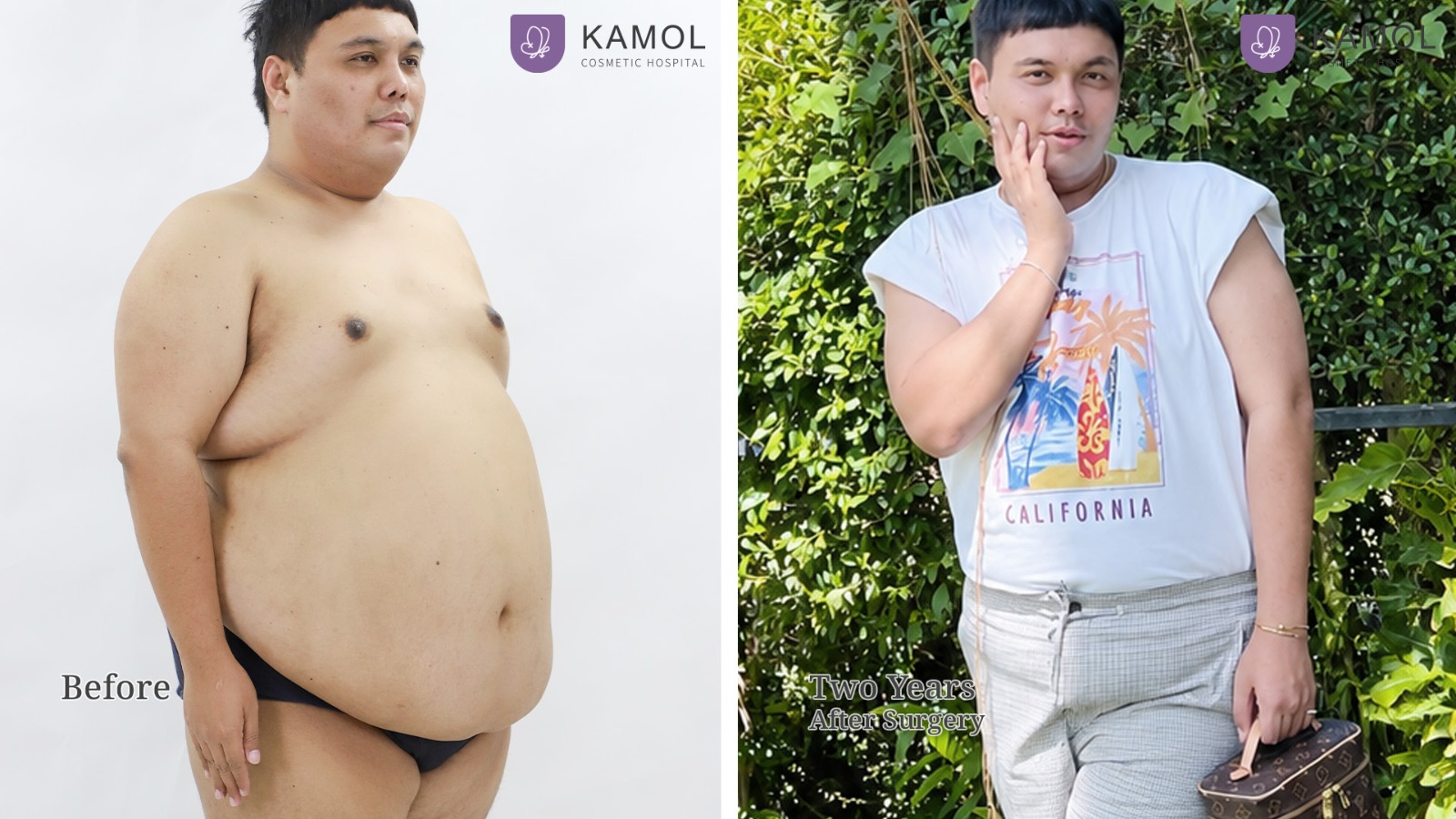
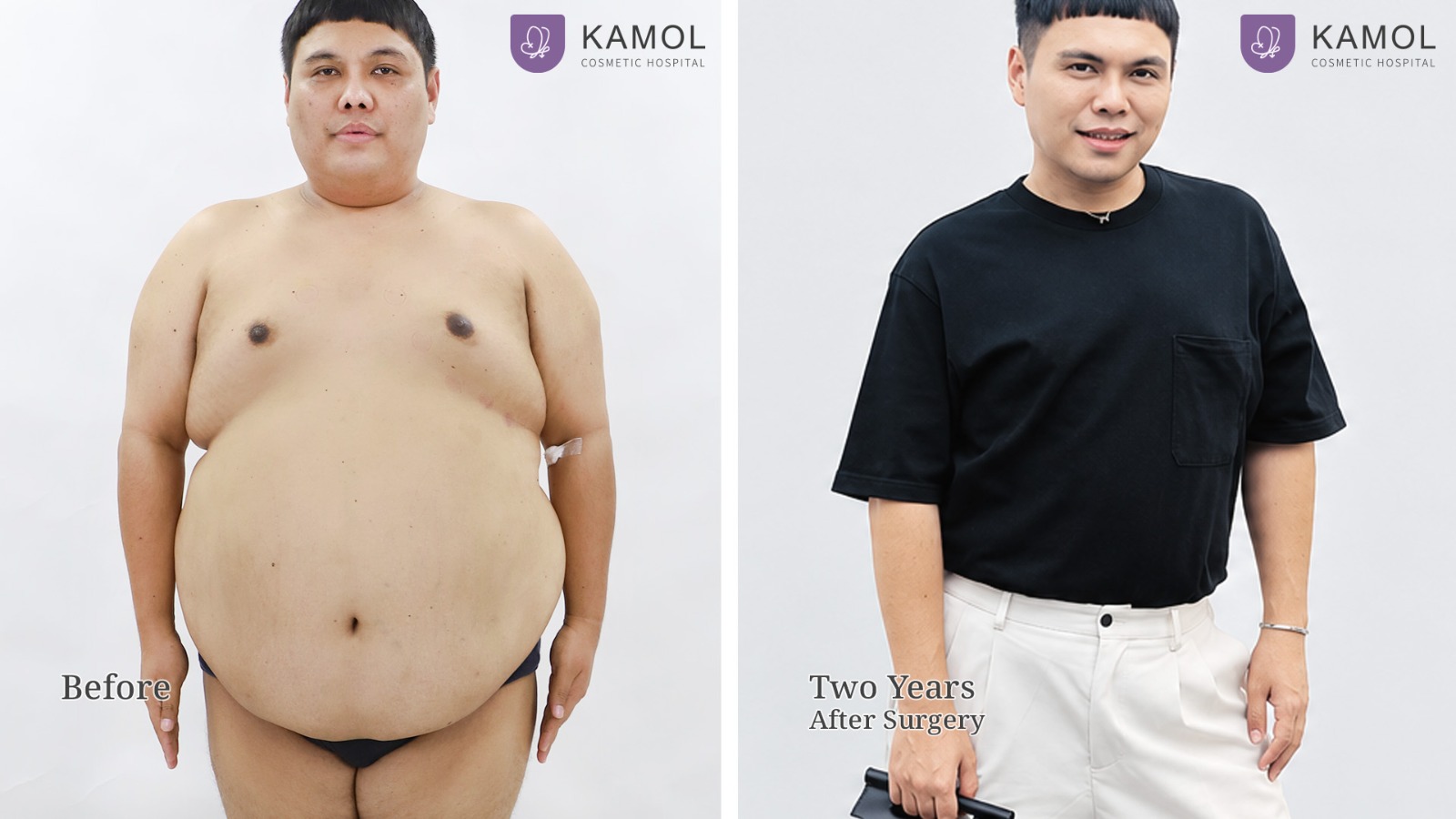
Reviews for Sleeve Gastrectomy
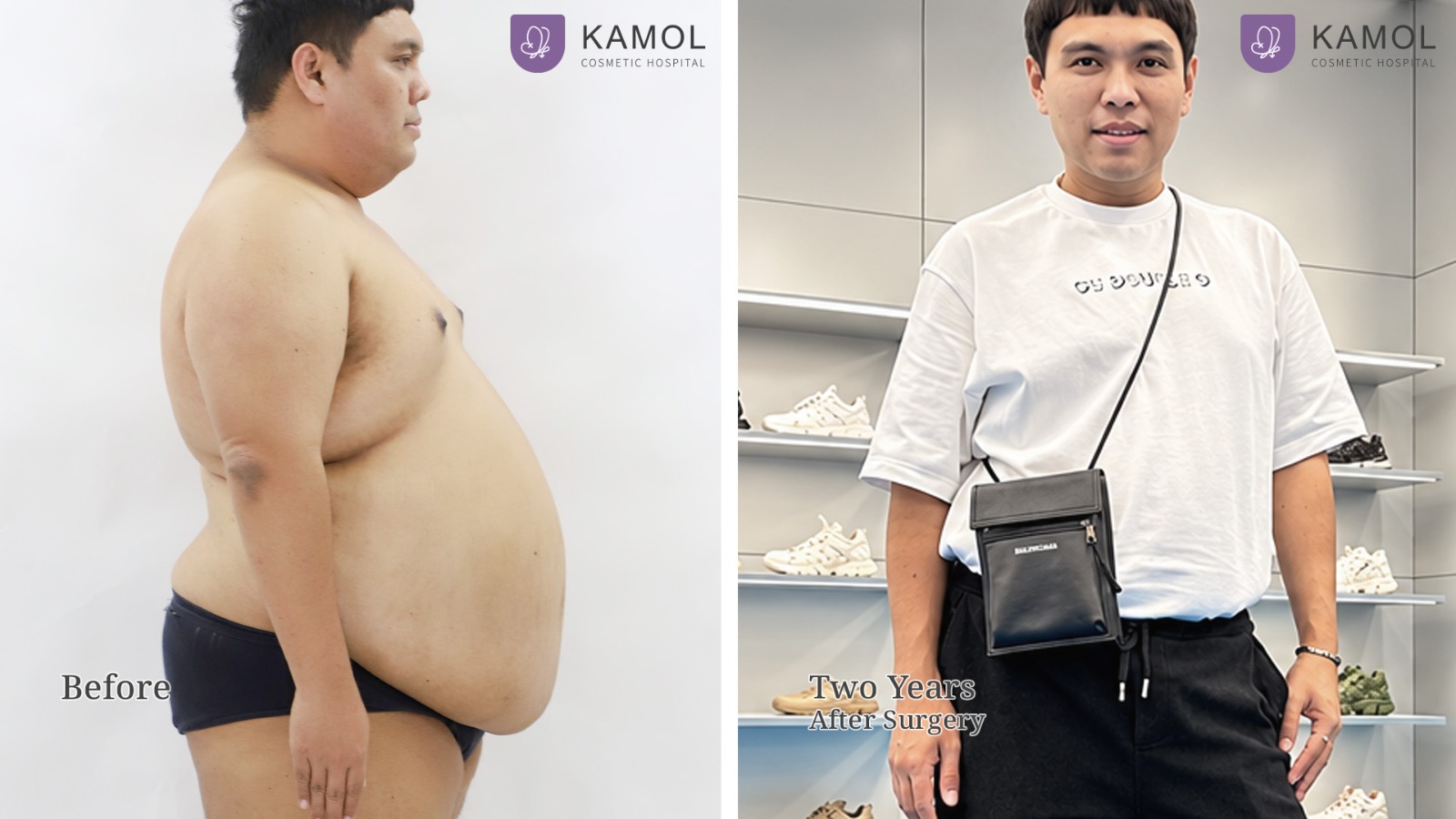
Why Is Sleeve Gastrectomy Considered for Weight Loss?
Sleeve gastrectomy — also called vertical sleeve gastrectomy — removes a large portion of the stomach, leaving a smaller, sleeve-shaped pouch. This restricts food intake and helps patients feel full sooner. It’s usually performed laparoscopically, meaning a less invasive procedure and a faster recovery than open surgery.
On average, patients lose 50–70% of their excess body weight within the first year, with results that tend to be more stable long-term than diet and exercise alone. The procedure also reduces levels of ghrelin, the hormone that drives hunger, which helps curb appetite and cravings.
Sleeve gastrectomy carries a lower complication risk than gastric bypass, but it remains major surgery and should be considered only after other options have been explored. Candidates should be in good general health, undergo a full pre-surgical evaluation, and commit to lasting lifestyle changes — including regular exercise, healthy eating, and ongoing follow-up care.
Why Choose Kamol Hospital in Bangkok for Weight Loss Surgery
- Four options under one roof: Gastric balloon, gastric band, sleeve gastrectomy and gastric bypass, so treatment can match your BMI, health and goals.
- A multidisciplinary team: Dietitians, psychologists, obesity physicians, surgeons and anesthesiologists work together before and after treatment.
- Keyhole surgery: Bariatric surgery is performed laparoscopically with modern equipment, for smaller scars and a faster recovery.
- Structured nutrition support: A stage-by-stage diet plan and dietitian follow-up after surgery.
- Body contouring after weight loss: Once your weight is stable, our plastic surgeons can remove loose skin with a tummy tuck, body lift, arm lift or thigh lift.
- Hospital-level safety: A JCI-accredited hospital with modern operating rooms and private patient rooms.
- Support for international patients: Multilingual coordinators and Kamol Trip help you plan your stay in Bangkok.
Frequently Asked Questions (FAQs)
What is Bariatric Surgery?
Also known as metabolic surgery or weight loss surgery, encompasses a variety of procedures designed to help individuals achieve significant and lasting weight loss.
These procedures work by altering the digestive system, either by restricting the amount of food the stomach can hold or by bypassing a portion of the digestive tract to reduce calorie absorption.
What are the different types of Bariatric Surgery offered at Kamol Hospital in Bangkok, Thailand?
Kamol Hospital offers several types of bariatric surgery, including:
- Gastric Sleeve Surgery: This procedure removes a portion of the stomach, creating a smaller, sleeve-shaped stomach. This restricts the amount of food you can eat and helps you feel full faster.
- Gastric Bypass Surgery: This procedure creates a small pouch at the top of the stomach and connects it directly to the small intestine, bypassing a portion of the digestive tract. This reduces the amount of food you can eat and limits calorie absorption.
- Adjustable Gastric Banding: This procedure involves placing an adjustable band around the upper part of the stomach, creating a small pouch. The band can be adjusted to control the amount of food that can pass through.
What diet will I follow once I have had the balloon inserted?
For the first week, you will need to follow a fluid-only diet. This allows the stomach to get used to the balloon. You need to drink plenty of fluid to prevent dehydration.
The key points are:
• Drink slowly, sip at drinks
• Do not drink more than 100ml at once
• Drink about 2 liters (8 cups) a day.
The best fluids are low-fat or low-sugar varieties. These include semi-skimmed or skimmed milk, low-fat yogurt drinks, and soup with no lumps. Coffee and fizzy drinks must be avoided.
Over the following week, you will progress onto a pureed diet, followed by a soft, mushy diet, building up finally to a normal diet. You will see the dietitian one week after the balloon insertion to discuss the stages. Also, your long-term plan will be discussed at this appointment.
If you suffer from diabetes, you may need to monitor and record your blood sugar levels very closely, as a change in your medication may be required.
What are the benefits of Metabolic / Bariatric Surgery?
The procedure can lead to significant weight loss and improve or resolve obesity-related health conditions, such as:
- Type 2 diabetes
- High blood pressure
- High cholesterol
- Sleep apnea
- Joint pain
- Infertility
It can also improve your overall quality of life, increase energy levels, and boost self-esteem.
Will I be in pain?
You may feel heaviness in your abdomen and pain in your abdomen and back. You will be prescribed painkillers to help relieve this.
When will I be able to go home?
Depending on how you feel, you can usually go home on the day of or the day after your procedure. However, you must have someone responsible to take you home because you may still be feeling the effects of sedation. We also advise that someone stay with you for 24 hours.
When can I go back to work and exercise?
After keyhole bariatric surgery, most people return to normal activities within 2–4 weeks. Avoid exercise and heavy lifting for at least 1 month, then start a program designed for patients after bariatric surgery. After a gastric balloon, most people return to a normal diet and exercise within 3–4 weeks.
What will follow-up care be?
Approximately one week after going home, you will be sent an appointment to see the outpatient department’s dietitian and nurse specialist. You will also be given the phone numbers of the specialist nurse and dietitian to contact for any advice you may need at other times. Six months after insertion, when your balloon is ready to be removed, the hospital will make arrangements and send you an appointment.
Will I need to take vitamins after surgery?
After sleeve gastrectomy or bypass, yes, for life. You eat less, and the stomach plays a role in absorbing nutrients such as vitamin B12, so supplements and regular blood tests help prevent deficiencies in iron, calcium, vitamin B12 and other nutrients.
Can I regain weight after surgery?
Loose skin is common after significant weight loss. Once your weight has been stable for about 12–18 months, our plastic surgeons can remove excess skin with procedures such as a tummy tuck, body lift, arm lift or thigh lift.
What happens to loose skin after major weight loss?
It’s possible. The stomach can stretch over time, and returning to old eating habits can lead to weight regain. If weight returns, your doctor will also check for other causes, such as hormonal changes. Following your dietitian’s plan, eating small meals, exercising regularly and attending follow-up appointments give you the best chance of keeping the weight off.
Is it safe to have bariatric surgery in Thailand?
Yes, when performed at an accredited hospital with an experienced surgical team. Kamol Hospital is accredited by the Joint Commission International (JCI), the same international standard used to evaluate hospital safety and quality worldwide. Our team includes anaesthesiologists experienced in caring for patients with obesity, modern laparoscopic equipment, and a structured pre- and post-operative care pathway — the same factors that reduce risk in any bariatric programme, regardless of location.
How long should I stay in Bangkok?
For sleeve gastrectomy or bypass, plan to stay in Bangkok for about 7–10 days. This includes 3–4 days in hospital and stitch removal at 7 days. For a gastric balloon, you can usually go home the same day or the next day. Thailand is a leading destination for medical travel, and Kamol Trip can arrange accommodation close to the hospital.