태국 방콕 여행을 계획 중이신가요? Kamol Trip 보기 또는 문의하기

음경 성형술

이식 조직을 사용하여 음경을 구성하며, 임플란트 및 요도 연장 옵션이 있어 기능을 지원하고 남성 정체성을 확인합니다.

What is Phalloplasty?

Phalloplasty is a surgical procedure that creates a penis for individuals transitioning from female to male (trans men). It is a significant gender-affirming surgery that helps individuals achieve a body that aligns with their gender identity. After surgery, many trans men can:

  • Stand to urinate.
  • Achieve erections with the help of implants.
  • No longer have a vagina or menstruate (if a hysterectomy is performed).

Before undergoing phalloplasty, most candidates have taken testosterone for at least one year.

There are two main methods for creating a penis:

  1. Metoidioplasty: Enlarging the clitoris, which grows due to testosterone therapy, to create a smaller penis.
  2. Skin Flap Phalloplasty: Using skin and tissue from areas like the forearm, thigh, or groin to construct a larger penis.

The surgery often involves removing the vagina (vaginectomy), and some patients may also have a hysterectomy during the same procedure.

What to Expect During and After Surgery

Phalloplasty uses skin flaps (donor tissue) to create a penis and urethra. These flaps are taken from specific parts of the body, such as the forearm, thigh, or back.

Risks include:

  • Infection, bleeding, or scarring.
  • Complications with skin flaps, like poor healing or unsatisfactory appearance.
  • Nerve or blood vessel damage, potentially reducing sensitivity or blood flow.

After surgery, patients must closely follow their surgeon’s instructions to minimize risks and promote healing. This includes taking prescribed medications, keeping incisions clean, and avoiding strenuous activities. Physical therapy may also help with functionality.

Who is Eligible for Phalloplasty?

Candidates typically meet these criteria:
  1. Age: At least 20 years old (parental or guardian consent required for those under 20; surgery is not recommended for anyone under 18).
  2. Hormone Therapy: At least one year of testosterone treatment.
  3. Living as a Man: For at least one year.
  4. Mental Health Clearance: A psychiatric evaluation confirming mental stability.
  5. Physical Health: Non-obese and physically fit.
  6. Previous Surgeries: Completed mastectomy and hysterectomy/oophorectomy at least six months before phalloplasty.
Picture1 1

Dr. Kamol Pansritum and his team

Since 1997, Dr Kamol has performed over 10,000 procedures on transgender patients and over 5,000 sex reassignment surgeries (SRS). Recognized and respected throughout the medical community as one of the most experienced surgeons working in gender reassignment surgery in the world, Dr. Kamol currently performs more than 500 male-to-female sex reassignment surgeries and more than 300 female-to-male surgeries each year. He is the chief plastic surgeon at Kamol Cosmetic Hospital in Bangkok, Thailand, where he leads the team in male-to-female and female-to-male sex transitions and face feminization.

Current Phalloplasty Techniques Available at Kamol Cosmetic Hospital

Kamol Cosmetic Hospital offers the options for phalloplasty as follows:

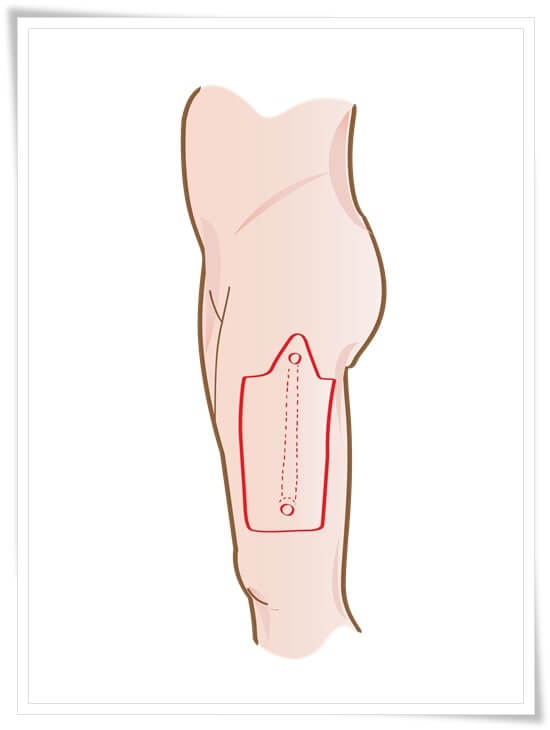
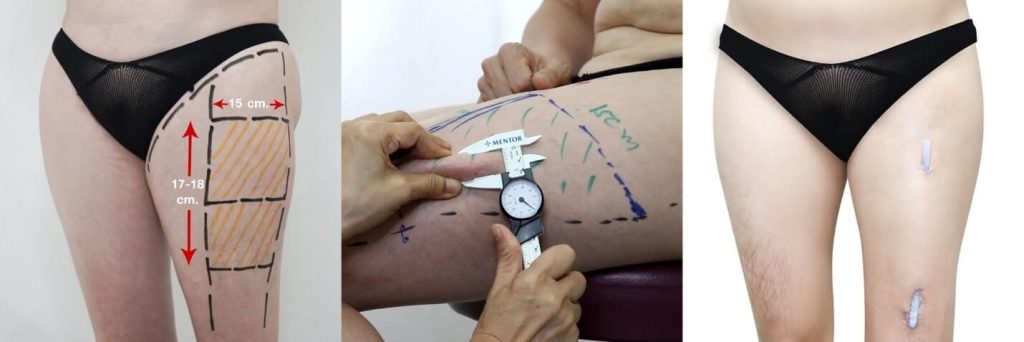
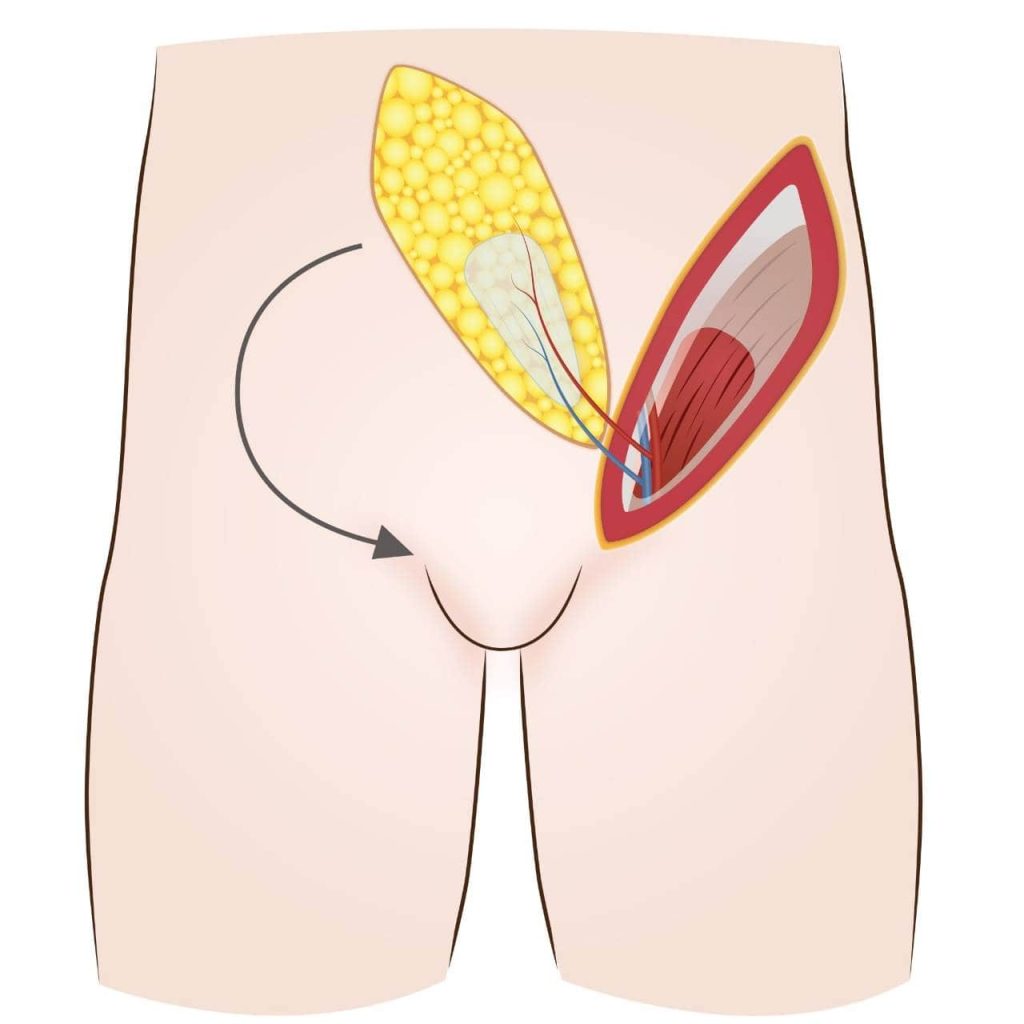
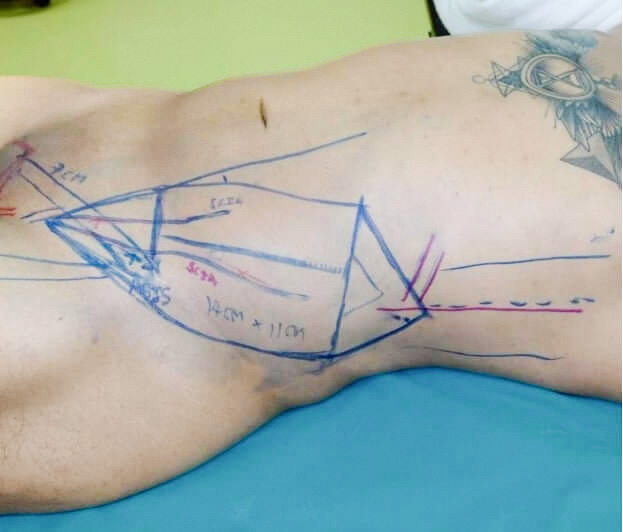
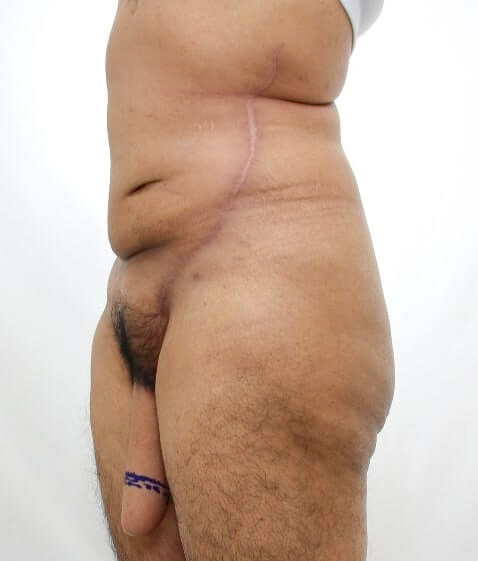
1.Anterolateral Thigh Flap (ALT-Phalloplasty):

  • Uses thigh skin to create the penis.
  • Options include:
    • Full phalloplasty with urethral lengthening.
    • Phalloplasty following metoidioplasty.
    • Phalloplasty without urethral lengthening (simpler surgery; patient continues to urinate sitting down).

Advantage:

  • Larger girth and length (13-14 cm).
  • Some natural rigidity.
  • Concealable donor site.

Disadvantage:

  • May not suit patients with thicker thigh skin.
  • Girth may be excessive for some.
Picture2 1
Picture3 1
Picture4

Picture 1: ALT-Pedicle Flap Phalloplasty

Picture5 1
Picture6 1
Picture 2: How to prepare the ALT donor site

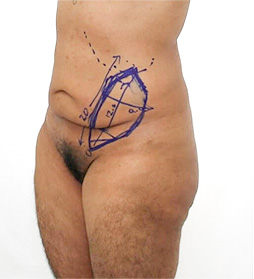
2.SCIP Flap Phalloplasty:

  • Uses a groin skin flap to create the penis.
Advantage:
  • Subtle donor site scarring.
  • Relatively hairless donor area.

Disadvantage:

  • Small size penis (length 10-12 cm).
  • Fair sensation.
Picture7
Picture 3: SCIP Phalloplasty

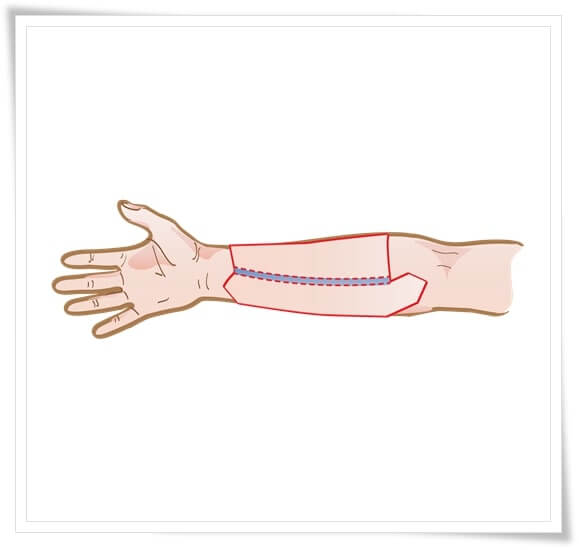
3.Radial Forearm Free Flap (RFFF):

  • Uses forearm skin to create the penis.
  • Two approaches:
    • Two-stage technique: Prefabricates the urethra six months before the main surgery. It is suitable for those who have a mid-forearm circumference less than 20 cm.
    • One-stage technique: Constructs the penis and urethra in one surgery. It is suitable for those who have a mid-forearm circumference more than 20 cm.

Advantage:

  • Thin skin for better aesthetics.
  • Medium-sized penis (11-13 cm).
  • Good sensation.

Disadvantage:

  • Visible donor site scars.
  • Potential hand sensitivity issue.
Picture8
Picture 4: Radial forearm Phalloplasty

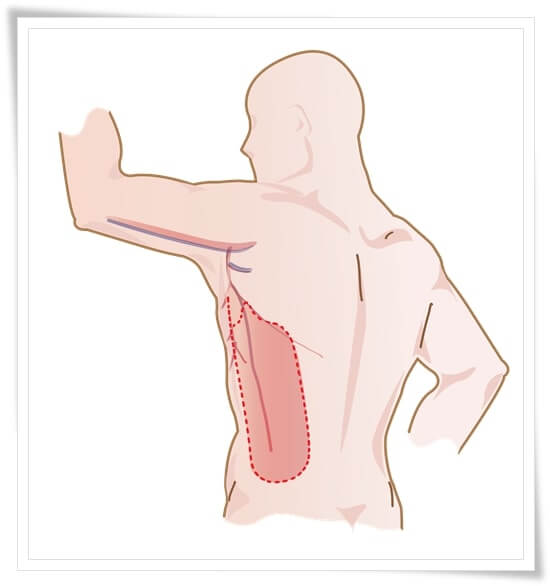
4.Musculocutaneous Latissimus Dorsi (MLD) Flap:

Uses skin and muscle from the back to create the penis.

Advantage:

  • In torso scarring.
  • Hairless donor site.
  • Good appearance.

Disadvantage:

  • Less sensitivity.
  • Requires a second surgery for urethral construction.
  • Risks of microsurgery technique.
Picture9 1
Picture 5: MLD Phalloplasty

Preparing for Phalloplasty

  1. Consultation: Discuss goals, health conditions, and surgical options with your surgeon.
  2. Lifestyle Changes: Stop smoking and alcohol use at least two weeks before surgery.
  3. Medication Adjustment: Avoid medications that affect blood clotting, such as aspirin.

Donor Skin Preparation:

  • Hair removal is essential to prevent hair growth on the penis.
  • Patients with thick skin or excess thigh fat may need weight loss, exercise before surgery.
  • In some cases, a pre-expanded skin technique is used, requiring 1–2 months of preparation.

Neo-urethra Reconstruction

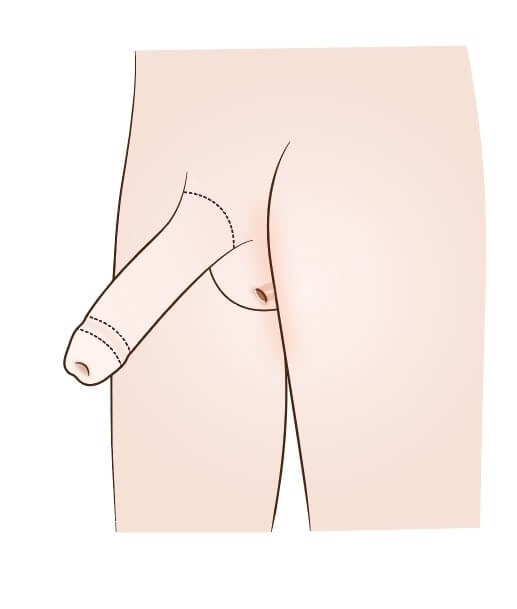
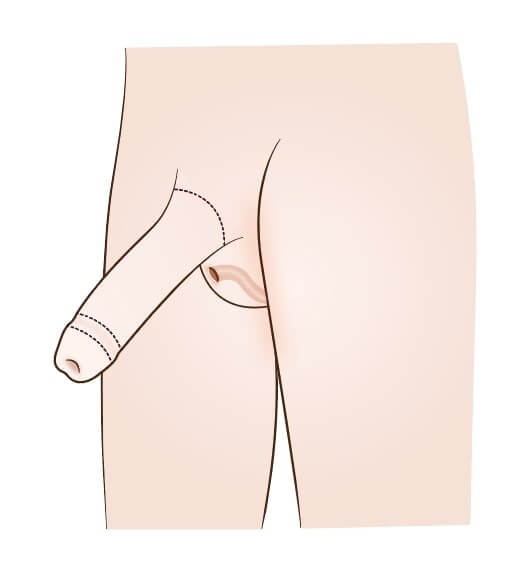
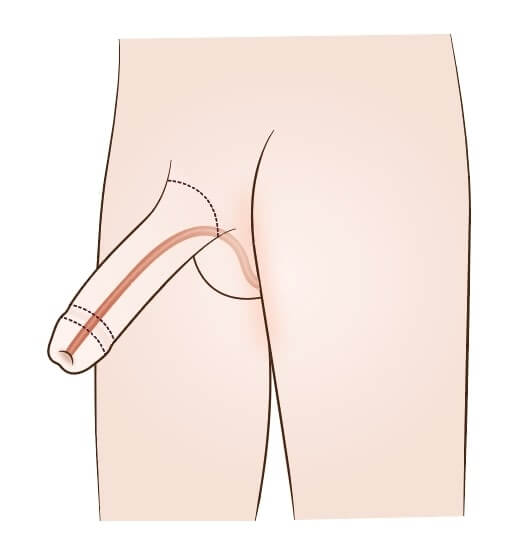
The risks and complications associated with neo-urethra reconstruction, such as urethral stricture and fistula, are generally high. However, shorter urethras tend to have fewer complications. For individuals concerned about urethral complications, the following options are available:
  • Phalloplasty without urethral reconstruction (sitting urination): No risk of urethral complications.
  • Partial urethral reconstruction (standing urination from the base of the penis): Lower risk of complications.
  • Full urethral reconstruction (urination from the tip of the penis): Higher risk of complications.
Picture10 1
Picture 6: Phalloplasty without urethral reconstruction
Picture11 1
Picture 7: Phalloplasty with partial urethral reconstruction
Picture12
Picture 8: Phalloplasty with full urethral reconstruction

Risks and Complications

Phalloplasty carries potential risks, including:

  1. Infection or bleeding.
  2. Scarring and poor wound healing.
  3. Nerve or blood vessel damage.
  4. Skin flap complications, like inadequate healing.
  5. Dissatisfaction with results, possibly requiring revision surgery.

Related procedures

Top surgery min
가슴 조직을 제거하여 가슴을 남성화하고 윤곽을 재형성하여 더 평평하고 전통적으로 남성적인 가슴 모양을 만듭니다.
Hysterectomy min
자궁과 때로는 난소를 제거하여 생리를 없애고 신체적 특징을 남성 정체성과 성전환 목표에 맞춥니다.
Facial Masculine min
턱, 턱끝, 눈썹 강화와 같은 절차를 통해 얼굴 특징을 조각하여 더 강하고 전통적인 남성적 윤곽을 만듭니다.
Metiodioplasty min
호르몬에 의해 확장된 기존 생식 조직을 사용하여 작은 음경을 만들며, 요도 연장 및 음낭 성형 옵션이 있습니다.
Voice Surgery min
수술을 통해 음성의 음높이를 낮추어 더 낮고 강한 음색을 만들어 남성적 성별 표현과 자기 표현을 지원합니다.
진정한 나를 향한 첫걸음을 내딛으세요

전문 팀이 여러분의 여정 전 과정을 함께하며 경청하고, 안내하며, 지원합니다.
오늘 바로 연락하여 당신의 목표와 선택지를 이야기해보세요.